
Restoring Hope, Empowering Communities - PEP
Creating Safe and Empowered Communities for all.
PEP has touched thousands of lives in West Nile and beyond — restoring hope and building self-reliant communities.
Young people from diverse backgrounds are at the heart of PEP’s work. They reveal the challenges and broken parts of our society, inspiring us to act. Through education, mentorship, and empowerment, we help them regain hope and flourish — building stronger, more resilient communities.
Management - PEP
How We Make a Difference
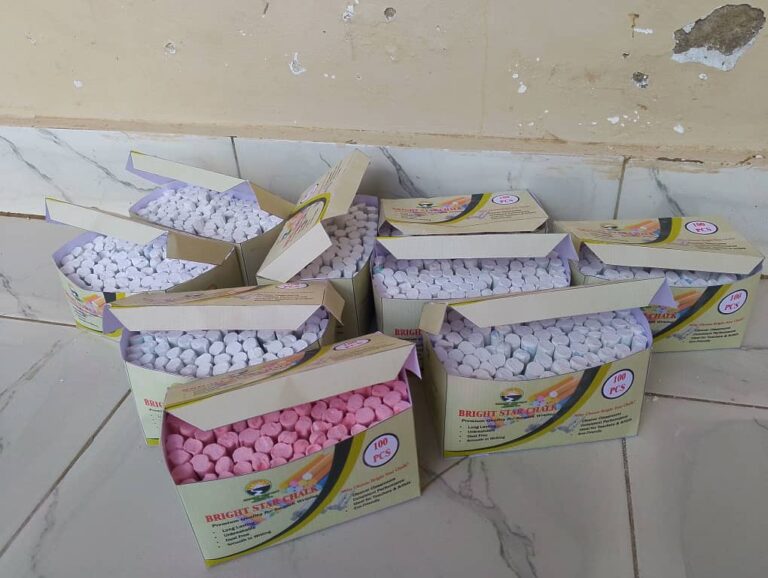
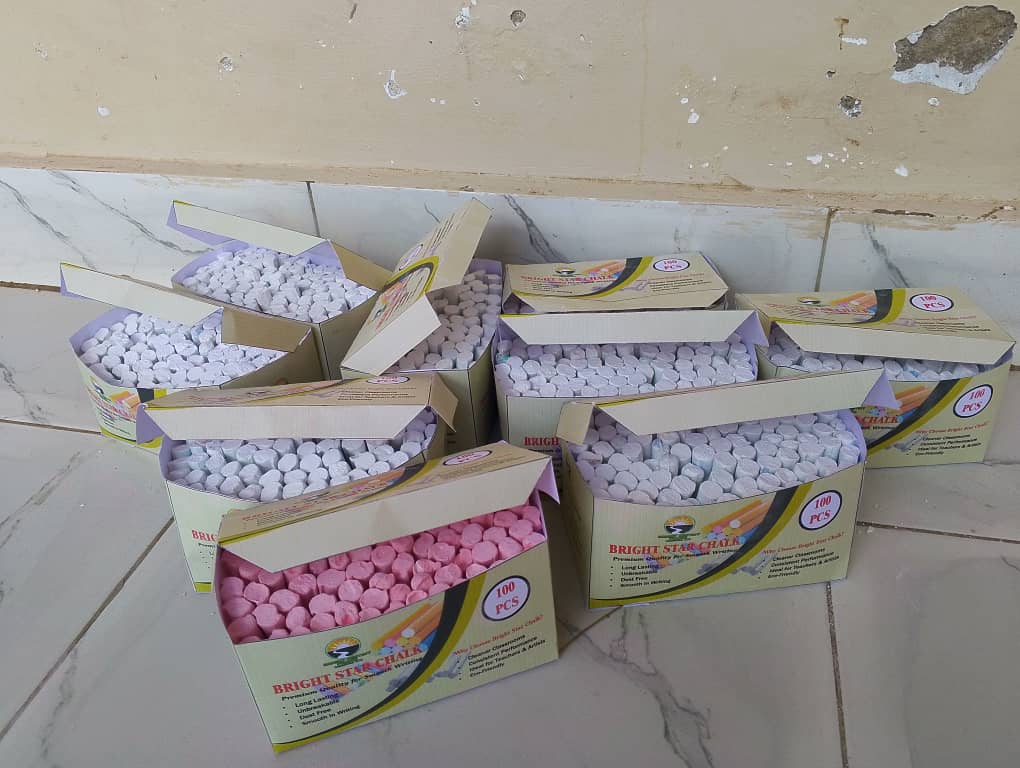
SmartChalk Initiative
Chalk-making is one of PEP’s practical vocational skills designed to empower communities while supporting education. Using simple, locally available materials, beneficiaries learn to produce high-quality chalk that meets the daily needs of schools. This skill not only creates income opportunities for youth and women but also strengthens the education system by reducing costs for schools in West Nile.
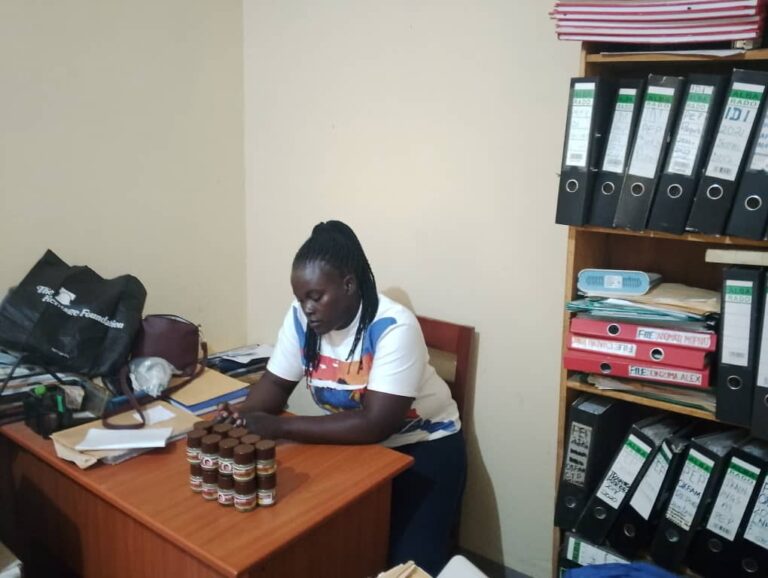
FreshWave Soapworks
Bar soap making is one of PEP’s vocational training programs aimed at empowering youth and women with hands-on entrepreneurial skills. Participants learn how to produce affordable, high-quality bar soaps using locally available materials. Beyond promoting hygiene and sanitation, this skill creates new streams of income for families, strengthens small businesses, and contributes to community health across West Nile.
Together for a Better Future
Change begins with people. At PEP, we believe in empowering individuals with skills, opportunities, and hope — because when people thrive, communities flourish.
Where We Work, What We Do
PEP serves communities across the West Nile sub-region of Uganda, including Arua City, Madi Okollo, Maracha, Nebbi, and nearby districts. We work with schools, health centers, and local groups to deliver inclusive, sustainable solutions for both host and refugee communities.
Our focus is in five areas: education, health & WASH, livelihoods, environment, and human rights. We keep children in school, improve healthcare, equip youth and women with skills, protect natural resources, and advocate for community rights — building stronger, self-reliant communities.